
Ever since Zelda went 3D on the Nintendo 64, traditional 2D Zelda games became relegated to handheld systems. With the release of the Nintendo Switch and the discontinuation of dedicated handheld Nintendo consoles, the future of 2D Zelda games was in question. Would it make sense to put out a 2D game on a system that had Breath of the Wild on it? We got a little bit of hope in 2019 with a remake of The Legend of Zelda: Link’s Awakening, but it would take all the way until this year when we’d finally get a brand new entry. Was the wait worth it, and is there a place for 2D Zelda games in 2024?
The Legend of Zelda: Echoes of Wisdom is clearly built on the foundation of games like A Link to the Past and Link’s Awakening. It has the same top down perspective as well as the same basic gameplay loop. You explore the overworld, find dungeons, defeat the boss inside, and repeat. But Echoes of Wisdom has a few unique twists. The most obvious is that for the first time in the main Zelda series, you don’t play as Link. This is Princess Zelda’s game, finally. The other big twist is that Zelda isn’t much of a fighter, and most of the time she has no direct way to attack enemies.
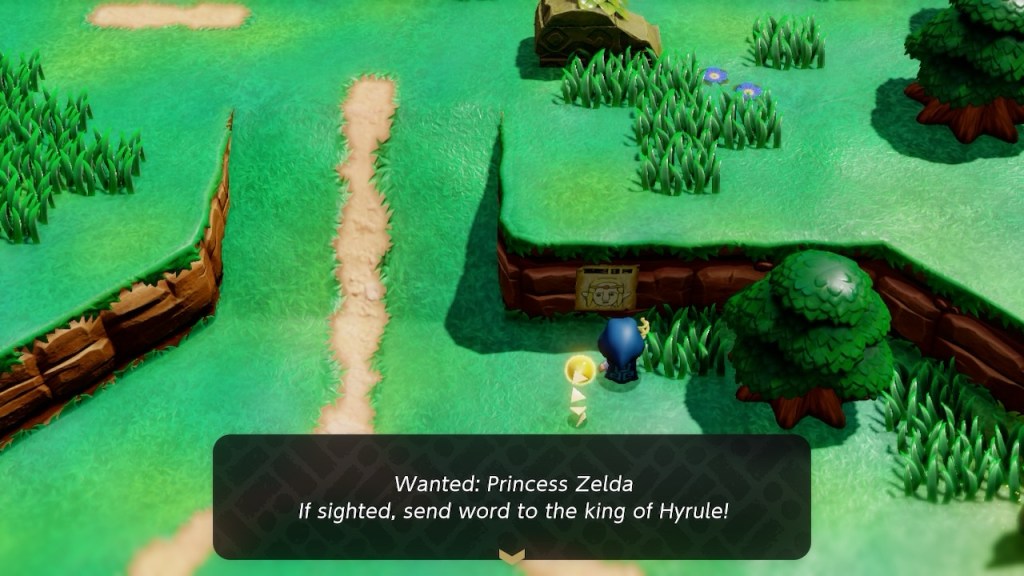
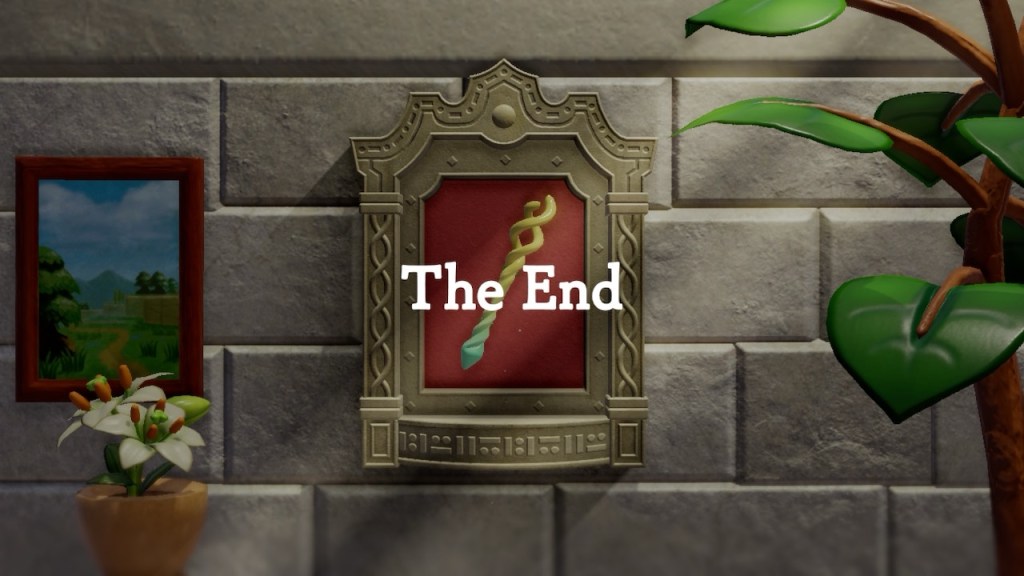
Early in the game, Zelda meets this weird, blob-like creature named Tri who entrusts her with the Tri Rod. This staff, or rod I guess, allows Zelda to make “echoes” of most of the items and enemies that she encounters. This allows her to both solve puzzles in unique ways as well as summon monsters to fight her enemies. In the early going, this leads to some really interesting puzzles, where it’s up to you to figure out what items or monsters you can create to solve your problems. If you need to get really high up, is there a way to carefully stack items to help you climb up? If there’s a flying enemy giving you grief, is there a monster you can summon that can throw something at it?
Overall, I really like echoes. Unfortunately, it’s not without its problems. The one I think everyone who plays this game will notice right away is that the UI for selecting your echoes simply isn’t very good. It’s built on the same idea as selecting weapons in Breath of the Wild, where you hold right on the D-pad to pull up a long list of everything you have. Unlike Breath of the Wild though, you very quickly end up with way too many things in that menu. Every single echo you’ve created shows up there, which makes finding the one you want difficult. Eventually, I ended up just landing on a few favorites that I always came back to. For getting around, it was either stacking beds or using water blocks that you can swim through. For combat, I either created a swarm of boomerang throwing Moblins or a single heavily armored Darknut. The hundreds of other echoes I had barely saw any use.
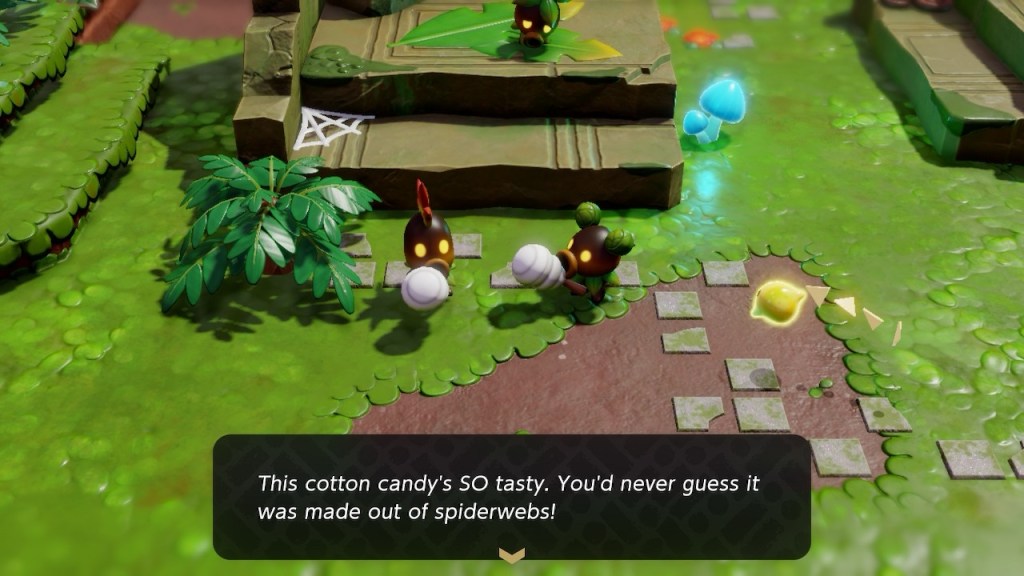
Echoes aren’t the only way to interact with the world, however. Tri also gives you the ability to shoot a beam that latches onto objects and enemies. You can then move the item around, like moving a large boulder that’s in your way, or you can do the reverse and have the enemy pull you around. I regularly forgot that this was an option, sometimes getting stuck on puzzles as a result.
You always obtain a sword that allows you to temporarily enter “swordfighter mode”. Basically, it turns you into Link. However there’s a meter that drains whenever you use it, so I pretty much only used it during boss fights or when I just couldn’t get my echoes to do what I wanted them to do. Throughout the game, you get additional classic Zelda weapons to use in swordfighter mode, and you get collectables that can be cashed in to upgrade the weapons strengths.
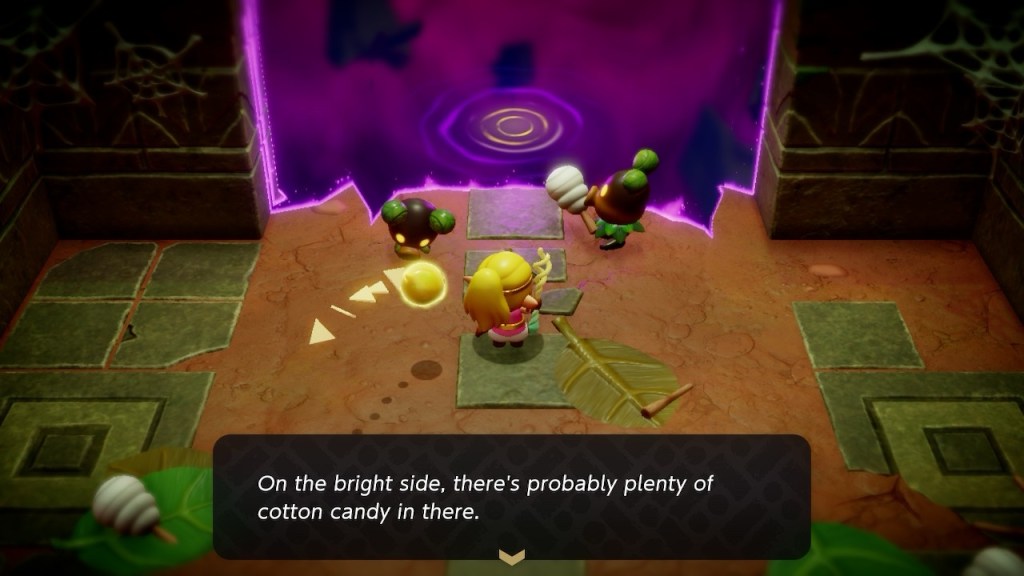
While this game is definitely built off the old style of Zelda games, there’s a surprising amount of influence from the two most recent 3D installments. I already mentioned that the echoes menu feels taken straight from Breath of the Wild, but almost all of the interface is. The menus are almost identical, as well as the way quests and sidequests are tracked. The more freeform style of puzzle solving also comes straight out of those games. While most old Zelda games have specific solutions to their puzzles, Breath of the Wild and Tears of the Kingdom gave players the freedom to do things however they wanted. Echoes of Wisdom continues this trend, with dozens of different ways to utilize your echoes to solve you problems in unique ways.
One way Echoes of Wisdom feels more like the older games is in its story. Unlike Breath of the Wild, it’s a very straightforward, linear tale. There are strange rifts appearing throughout Hyrule, sucking in people and buildings. Tri is part of a race that’s helping mend those rifts, but unfortunately most of them have gotten trapped. Some people who have ended up in the rifts end up with evil echoes of themselves. Link is one of the people who was sucked in, happening right after saving Zelda in the beginning of the game. You’ll explore the land, helping out traditional Zelda races like the Zoras and Gorons with dealing with their lands getting eaten up by these rifts.
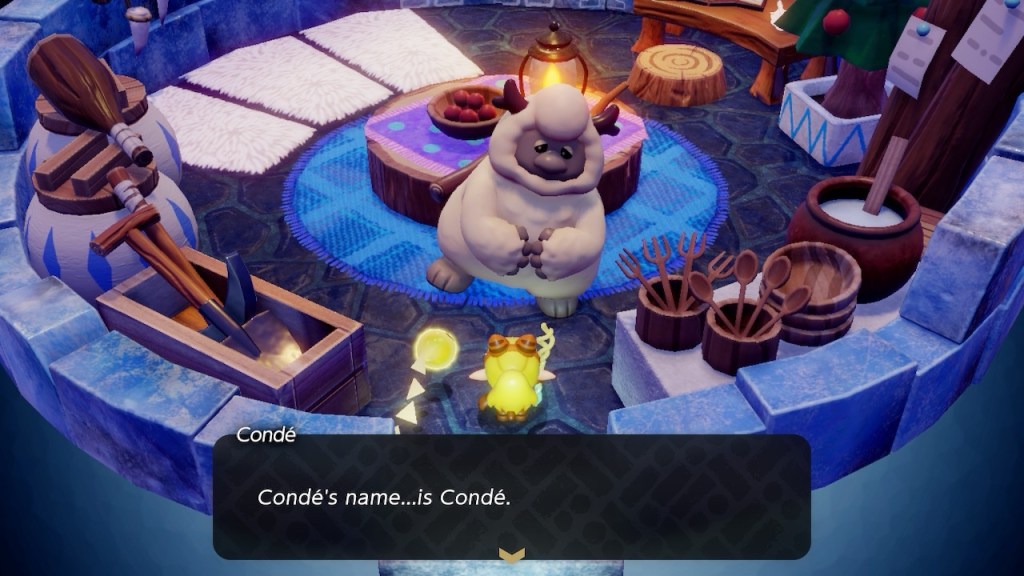
Inside the rifts are unfortunately a little samey. It’s strange floating islands and floating trees that you have to try to navigate. In the biggest rifts, however, are the dungeons. These are much better than the rest of the rifts, consisting of traditional Zelda puzzles and bosses. It’s really nice to be back to these dungeons after two 3D games with really disappointing ones.
Overall, I really liked The Legend of Zelda: Echoes of Wisdom. It’s a great blend of new and old Zelda ideas that creates a genuinely unique game. It’s far from perfect, but it’s great to know that a 2D Zelda can still come out and still bring new ideas with it.
 Quarter Circle Forward